

One is a young, leading university with an international reputation on the shores of Clear Water Bay; the other is a new research university rising beside the Yongjiang River with an ambition to achieve world-class standing. By joining forces, these two young and innovative institutions will explore new ways to advance the development of young talent alongside frontier scientific and technological innovation.
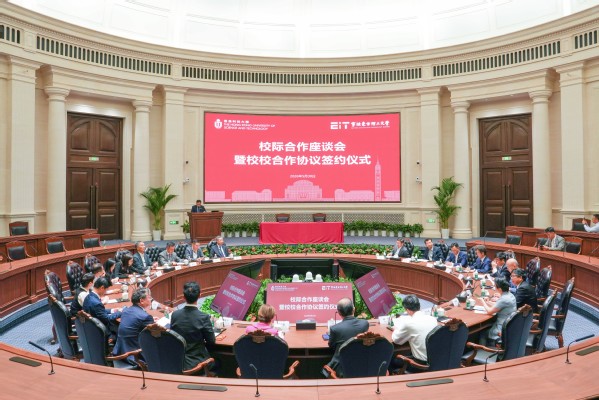
On May 30, Nancy Ip, President of the Hong Kong University of Science and Technology (HKUST) and a member of the Chinese Academy of Sciences, led a delegation to Eastern Institute of Technology, Ningbo (EIT), and attended an inter-university cooperation meeting and the signing ceremony for a strategic cooperation agreement. Through this partnership, HKUST and EIT will pursue sustained, substantive, and in-depth collaboration in four core areas: talent development, tackling research challenges, joint academic development, and the integration of industry and research. Drawing on Hong Kong’s international platform and Ningbo’s advanced manufacturing base, the two universities will remove barriers between the regions’ innovation, talent, and industrial resources and establish collaborative innovation across regions and institutional systems.
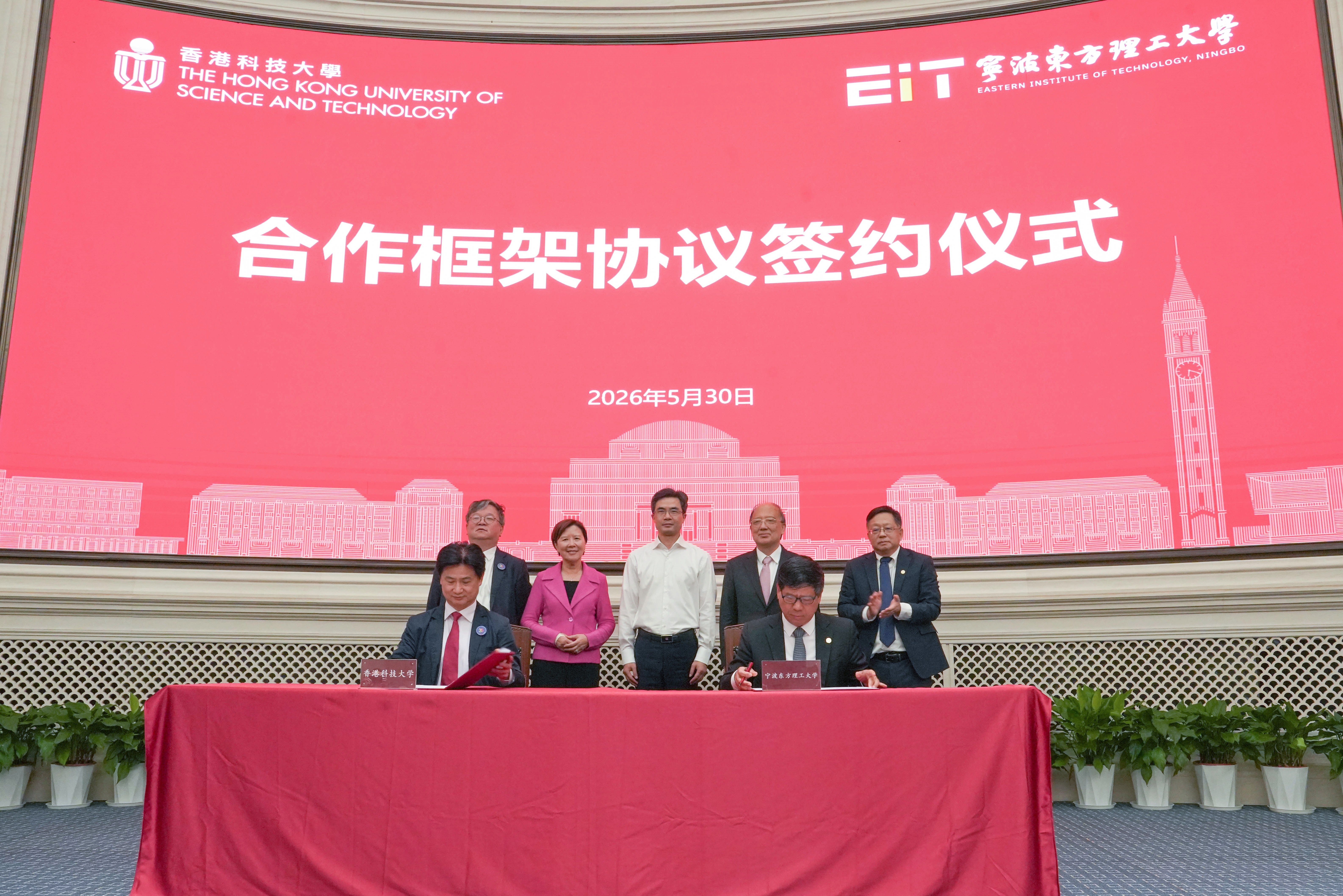
Witnessed by the assembled guests, Charles Ng, HKUST Vice-President for Institutional Advancement, and Chunmiao Zheng, EIT Vice President, formally signed the strategic cooperation framework agreement on behalf of their universities. Witnesses included Jian Lin, a member of the Standing Committee of the CPC Ningbo Municipal Committee and Secretary of the CPC Cixi Municipal Committee; HKUST President Nancy Ip and Provost Yike Guo; and EIT President Shiyi Chen, a member of the Chinese Academy of Sciences, and Executive Vice President Dongxiao Zhang. Representatives of the HKUST Shenzhen Alumni Association and the Hong Kong Ningbo association, relevant leaders of the United Front Work Department of the CPC Ningbo Municipal Committee, and senior management and faculty representatives from both universities attended the ceremony.
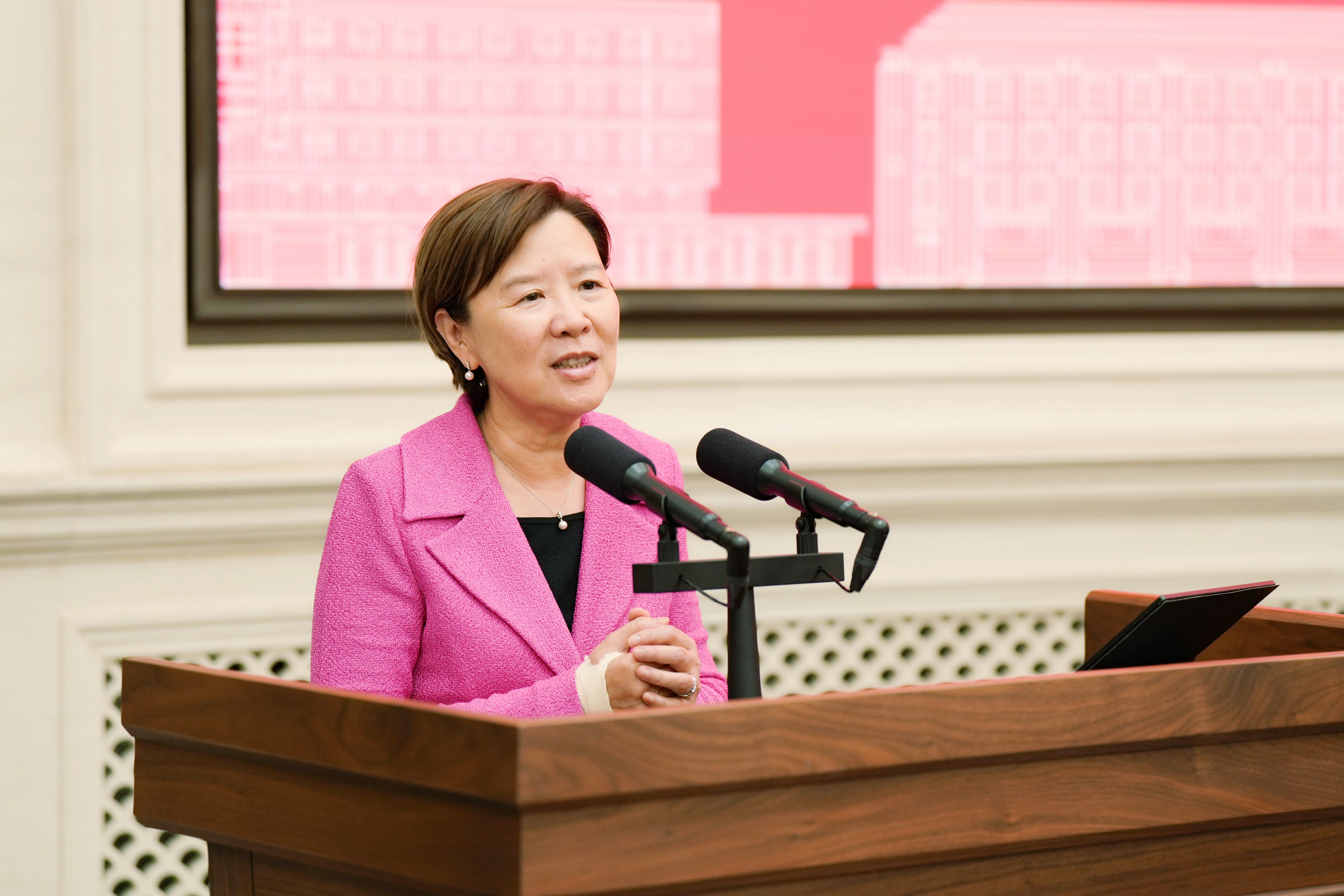
Nancy Ip said that young universities are an important emerging force in innovation and development in global higher education. HKUST is committed to openness and collaborative education, actively building bridges for educational, scientific, and technological exchange between mainland China, Hong Kong, and the wider world. Ningbo has a strong manufacturing heritage and abundant innovation resources. EIT’s regionally rooted, forward-looking mission aligns closely with HKUST’s commitment to frontier innovation and industrial development. She looked forward to deep collaboration in talent development, academic exchange, research, and university governance, supporting high-quality regional higher education and industrial transformation and upgrading.
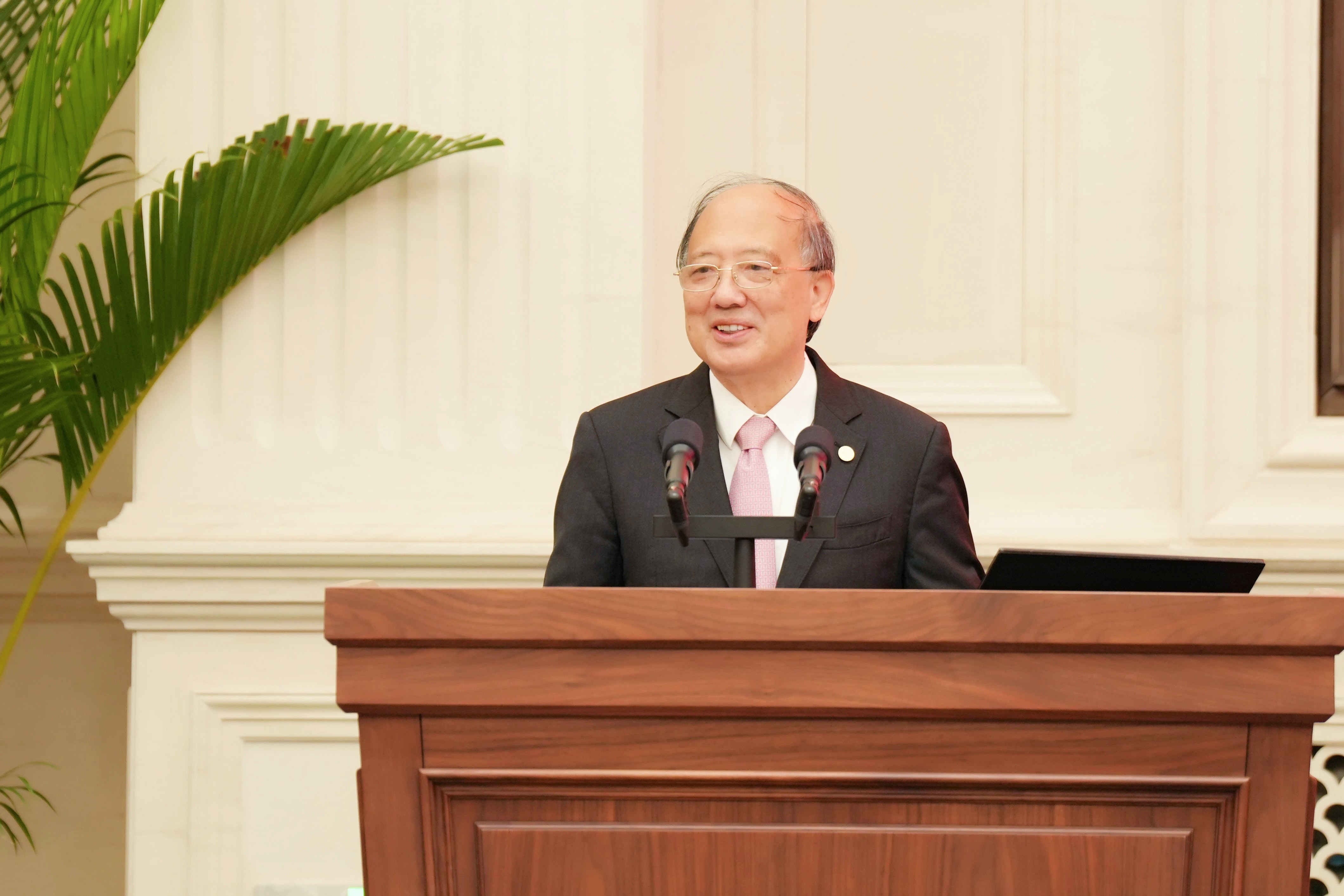
Shiyi Chen said that high-quality inter-university collaboration is an important driver of rapid growth for new research universities. Over more than three decades, HKUST has become an example of a young university striving for world-class standing. Its international model, research and innovation system, and approach to education offer valuable experience for EIT. As a new research university, EIT is committed to moving beyond established paths, deepening institutional innovation, and developing disciplines around real scientific and engineering problems. The two universities have extensive opportunities for cooperation in talent development, research, and the integration of industry and research.
The signing ceremony was chaired by Dongxiao Zhang, EIT Executive Vice President and a member of the US National Academy of Engineering. Zhang and HKUST Provost Yike Guo introduced their universities’ development histories, distinctive characteristics, achievements in disciplinary development, and future plans.
During the meeting, the two sides also discussed key issues in depth, including detailed arrangements for implementing the partnership, mechanisms for advancing projects, and the sharing of academic resources, laying a solid foundation for sustained and well-organized cooperation.
That afternoon, accompanied by Shiyi Chen and others, the HKUST delegation visited key campus landmarks and research platforms.
The signing marks an important milestone in bringing together the strengths of the two universities to pursue high-quality development. With open collaboration and innovation at the core, they will steadily implement their joint projects and create an exemplary approach to cross-regional talent development and the translation of scientific and technological advances between universities in mainland China and Hong Kong. The partnership will promote the two-way flow of innovation resources between the Guangdong–Hong Kong–Macao Greater Bay Area and the Yangtze River Delta, supporting China’s high-level scientific and technological self-reliance and strength and the high-quality development of higher education.