

The 2026 Yongjiang Forum was held at Eastern Institute of Technology, Ningbo, on June 6–7. Nearly 80 outstanding early-career scholars from leading universities and research institutions worldwide, including Harvard, Cambridge, and Oxford, gathered on the banks of the Yongjiang River. They exchanged ideas in depth on frontier scientific questions and technological innovations, together opening a new chapter for EIT in this vibrant center of innovation.
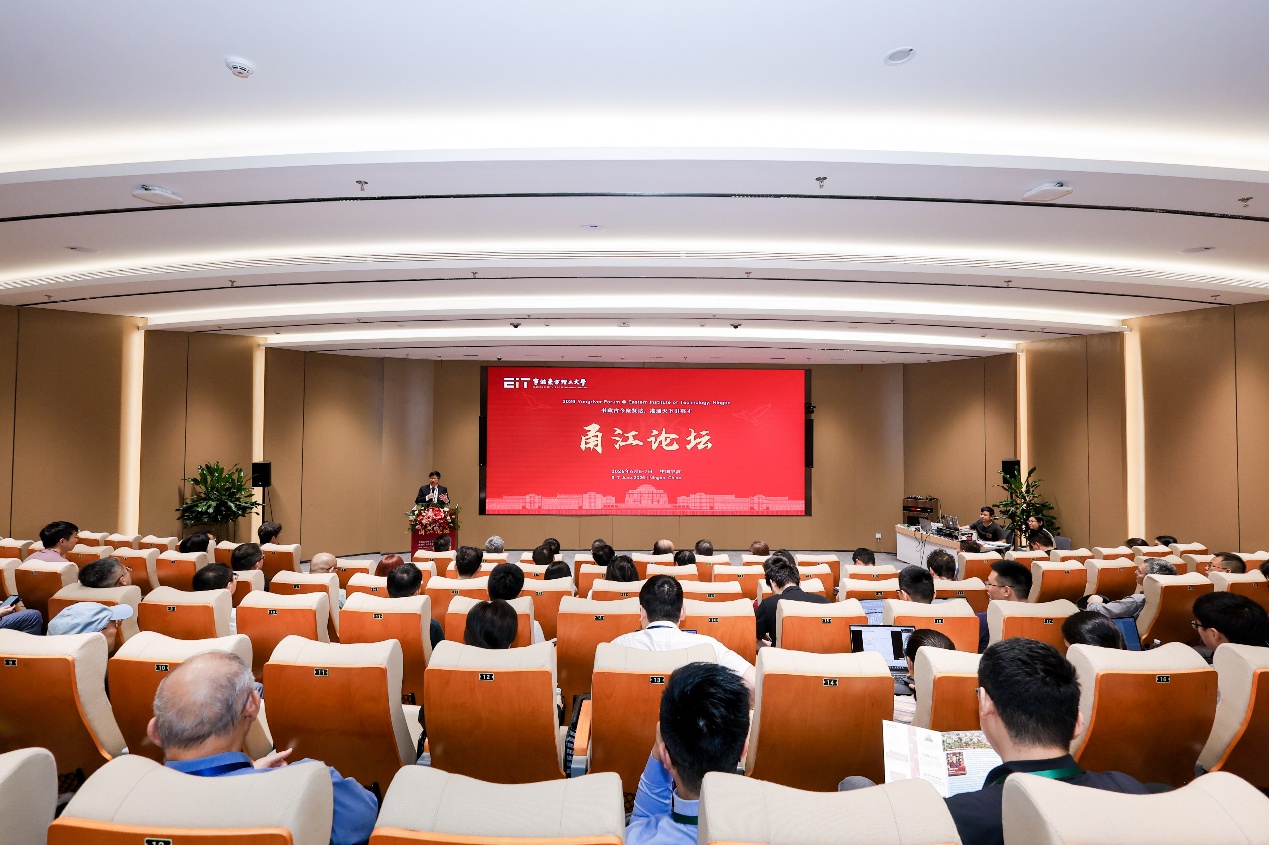
EIT President Shiyi Chen, a member of the Chinese Academy of Sciences, warmly welcomed the early-career scholars from around the world. Since its launch in 2022, the Yongjiang Forum has held five successful editions. More than 40 outstanding early-career scholars in the University’s high-level talent community first connected with EIT through the forum. They have continued to grow in their respective fields and produce research results, becoming an important new force in the University’s development.
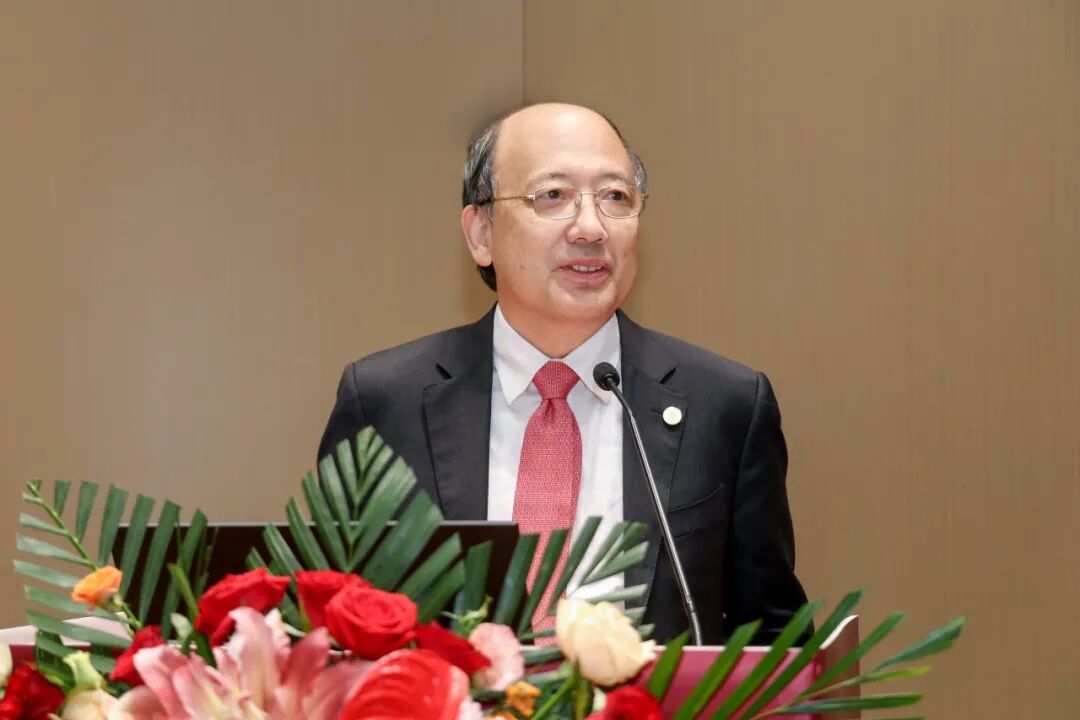
Facing the Yongjiang River, EIT looks toward the world. Chen said that, as a young university of a new research-oriented type, EIT is committed to high standards from the outset, a compact scale with a focus on excellence, innovation, and internationalization. It has a strategic mission to explore new paths for China’s higher education, independently cultivate outstanding innovative talent, and achieve breakthroughs in critical core technologies. With the sea to the east, it seeks to build dreams and create the future. He welcomed young scholars who aspire to serve the country to join EIT, drawing on the conviction of those who brave the waves and the courage of pioneers to realize the ambitious vision of a new research university and pursue a future of limitless possibilities.
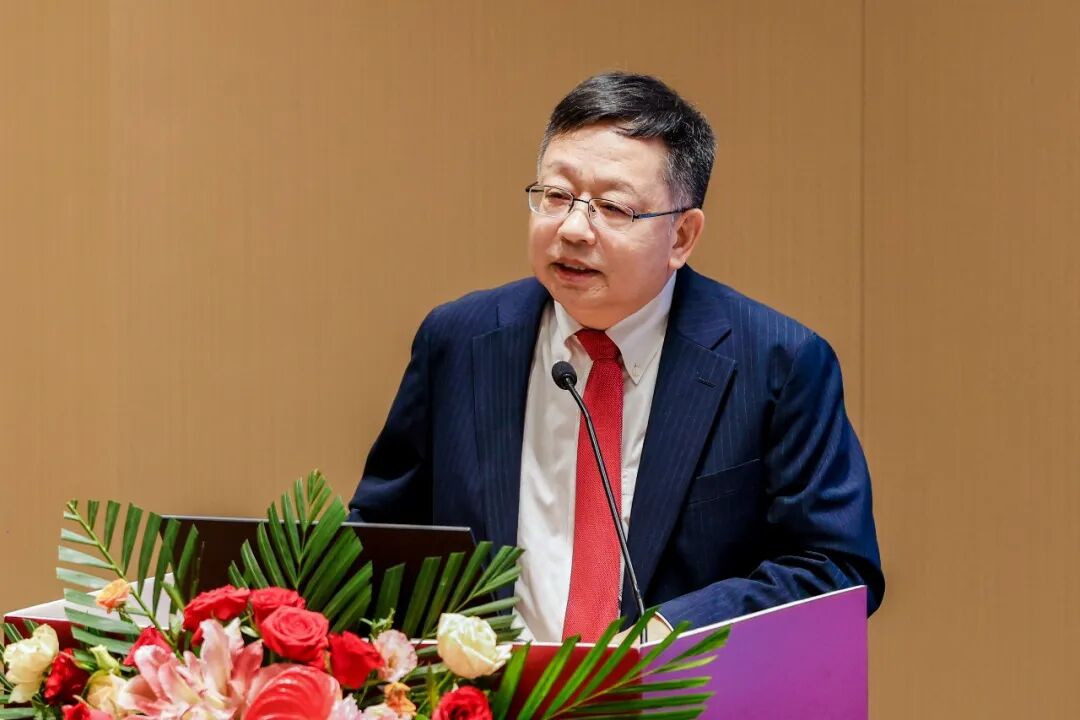
Executive Vice President Dongxiao Zhang introduced EIT’s progress in its disciplinary structure, education, faculty development, and scientific research. EIT has actively explored approaches to recruiting and developing talent, organizing research, and innovating institutional mechanisms. Its sustained focus on education has produced a distinctive model for talent development. Rooted in Ningbo and supporting industry, the University remains guided by national strategic needs, working toward a relationship in which a first-class city nurtures a first-class university and a first-class university supports a first-class city.
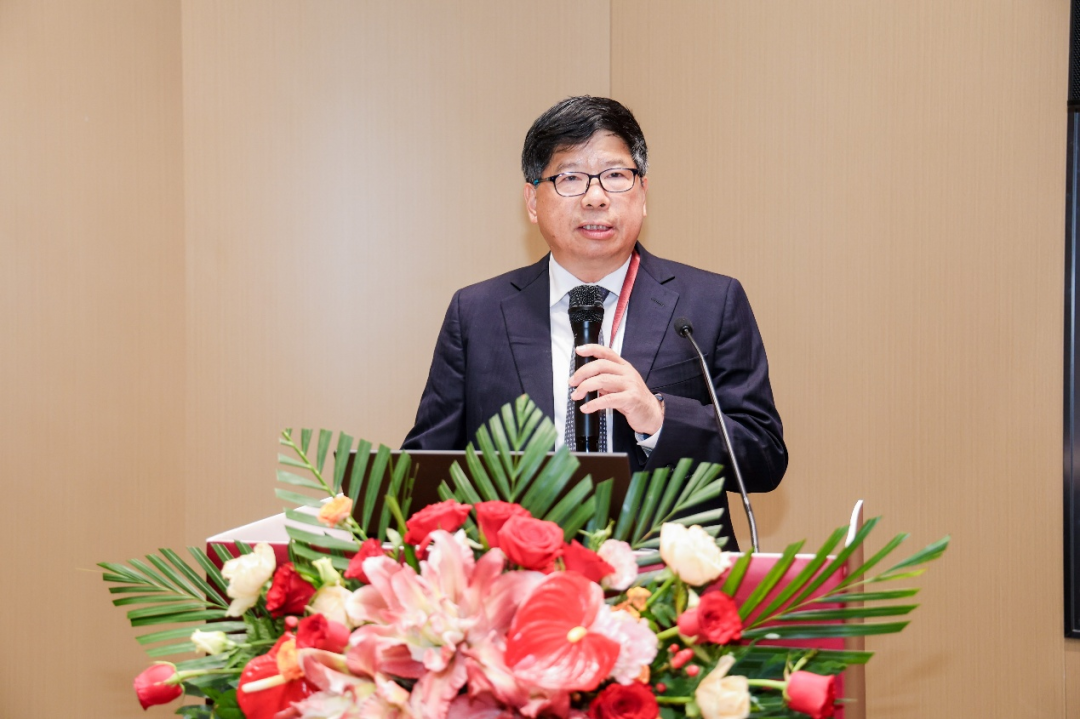
Vice President Chunmiao Zheng noted that the Yongjiang Forum is an important platform through which EIT engages outstanding scholars in China and abroad. Since its establishment, the forum has continued to connect scholars worldwide while witnessing the University’s rapid development from its preparatory phase to formal operation, and from planning its disciplines to attracting high-level talent. He expressed the hope that the forum would provide fertile ground for scholars’ growth and allow innovation and creativity to flourish on the banks of the Yongjiang River.
EIT uses major research platforms as a foundation for supporting breakthroughs in original innovation. Yijie Pan, Director of the Research Department, gave a detailed introduction to the University’s research platforms. Shudi Bao, Assistant to the Dean of the Ningbo Institute of Digital Twin, Eastern Institute of Technology, presented the institute’s development progress. Addressing major national strategies, regional development needs, and the frontiers of global science and technology, the University focuses on emerging interdisciplinary fields including artificial intelligence, integrated circuits, unmanned technologies, new energy and materials, intelligent manufacturing, and life and health sciences. Through major research platforms at national, provincial, and municipal levels and joint university–industry laboratories, it has developed an EIT network of scientific and technological innovation and produced a series of high-quality research results.
Gang Xu, Deputy Head of the Information Division, Chair Professor, and a foreign member of the Engineering Academy of Japan, explained why he returned to China from Japan to join EIT and work toward the commercialization of humanoid robotics. Xu described choosing EIT as starting a venture rather than taking a job. For an academic entrepreneur, the most attractive aspect is joining a university at a crucial stage of transition from successfully establishing an institution to successfully running it.
Having worked at Harvard University and City University of Hong Kong before joining EIT, Yiming Qin, an Associate Professor in the Engineering Division, shared her working and everyday life at EIT as a representative of early-career faculty. She attended the 2024 Yongjiang Forum and joined EIT in early September last year, also witnessing the opening ceremony for the University’s inaugural undergraduate cohort.
‘Can I get started quickly? Can I keep developing? Can I sustain this over the long term?’ Qin asked herself these three questions before deciding to move from a university with an established system to a growing institution. Nearly a year after joining EIT, she considered the decision absolutely right: ‘I am very glad I came. Here, I am not simply meeting KPIs; I am taking part in creating something.’
This year’s forum was organized by the Office of External Cooperation at Eastern Institute of Technology, Ningbo, with support from the Jiaochuan Subdistrict Office in Zhenhai District. A total of 455 early-career scholars registered, and around 80 took part online or in person. Participants came from leading universities worldwide, including Harvard University, the University of Cambridge, the University of Oxford, and Nanyang Technological University.
Chunmiao Zheng chaired the opening ceremony. Party Secretary Bo Jin and other University leaders, all faculty in the teaching and research track, and heads of relevant units and departments attended.
Invited scholars delivered academic presentations in nine parallel sessions across the University’s Science Division, Engineering Division, and Division of Information Science and Technology. They shared research findings and experience, discussed current topics in their disciplines, and exchanged diverse perspectives.